

Finding the Right Fibroid Treatment: Zamala’s Story and The Power of Shared Decision-Making

When Zamala Cortes was told a hysterectomy was her only option to treat her fibroids, she decided to get a second opinion. Cortes, who suffered from symptoms like heavy bleeding and pain that affected her quality of life, did not wish to have major surgery and hoped to start a family.
For years, Zamala Cortes suffered from symptoms of fibroids, non-cancerous growths made up of muscle and connective tissue that develop inside the uterus. They can cause heavy or painful bleeding, bloating, pelvic pain, bladder problems and other symptoms that can impact a woman’s quality of life.
Uterine fibroid treatments range from observation and medication to procedures and surgery, including hysterectomy.
A Personalized Approach
Unsatisfied with the limited options offered by her first healthcare provider, Cortes sought a second opinion for her symptomatic uterine fibroids. She found Dr. Taraneh Shirazian,* a gynecologic surgeon who specializes in treating fibroids and abnormal uterine bleeding. Together, they talked through all the available treatments.
“We reviewed each of the options, including the associated pluses and minuses and what to expect, considering Zamala’s preferences and goals,” says Dr. Shirazian. “For example, with major surgery it’s a little more definitive, but there are also negatives like more healing — so all of those things come into play with the decision-making.”
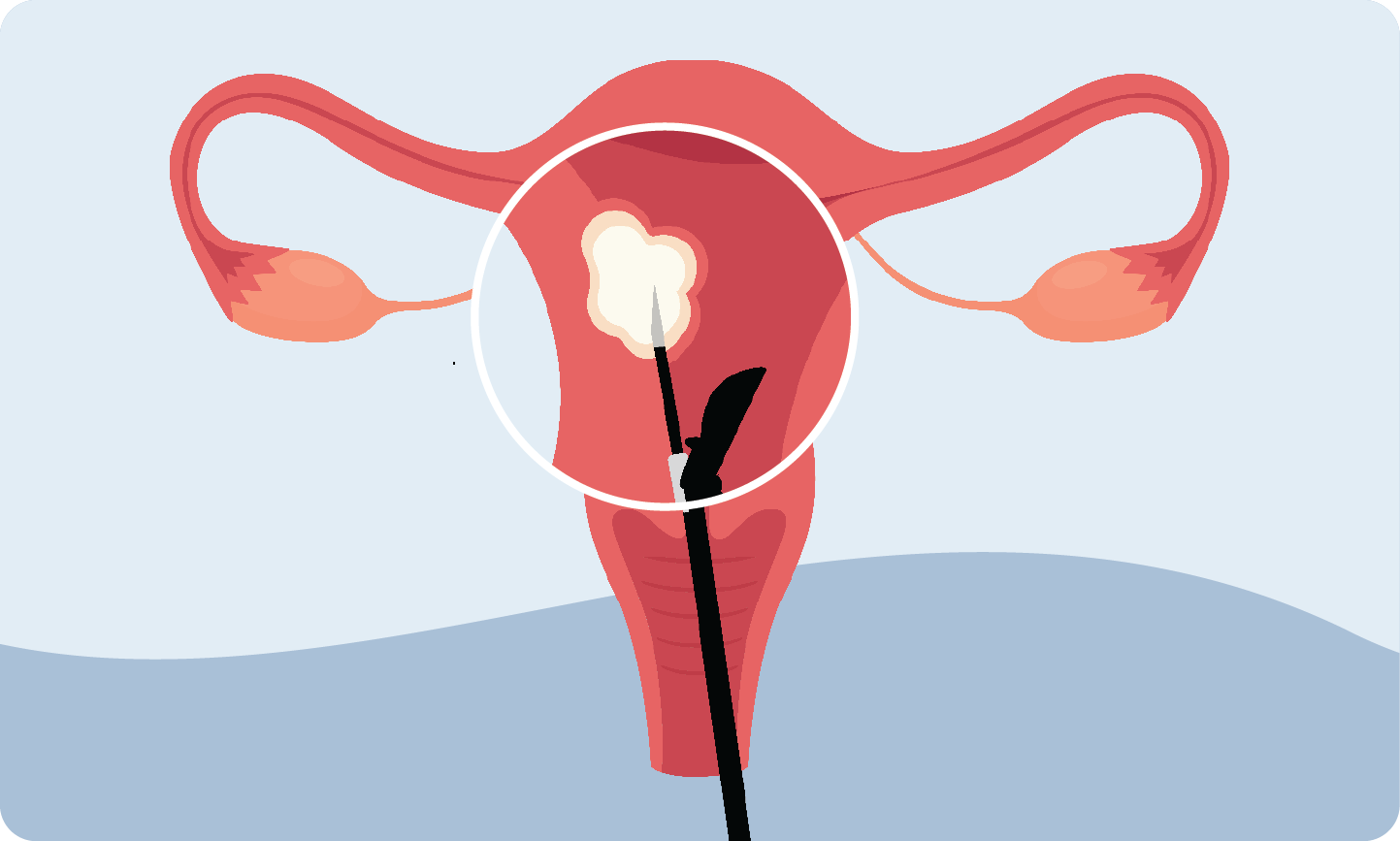
In Cortes’ case, she did not want major surgery and hoped to conceive in the near future. Together, she and Dr. Shirazian chose Sonata transcervical fibroid ablation, a minimally-invasive procedure.
This incisionless outpatient procedure uses radiofrequency ablation, a technique that uses heat to treat and shrink fibroids. It takes about an hour, does not involve cutting or scarring, and does not use hormones. The safety and effectiveness of the Sonata treatment in women who desire future pregnancy has not been established. Potential risks or benefits regarding pregnancy are unknown, a topic Dr. Shirazian counseled Cortes on as part of their shared decision-making.
In Zamala’s case, the outpatient procedure allowed her to return home the same day, freed her from fibroid symptoms, and ultimately did not prevent from fulfilling her dream of motherhood. She is now a proud mom to a busy toddler.
Shared Decisions Can Lead to Better Outcomes
Cortes’ story highlights the value of shared decision-making, a patient-centered approach where doctors and patients work together to choose the best treatment plan or test for the individual, based on medical evidence, patient preferences and what matters to them most. Studies suggest that when patients engage in the shared decision-making process, they tend to feel more satisfied with their care and experience less uncertainty about their choices.1
Quote from Dr. Taraneh Shirazian
“We know that healthcare visits are limited in time, so I recommend to patients that they bring a list of questions with them to their appointments. Do some of your own research ahead of time, because that will help formulate discussions with your doctor.”
Close to 80 percent of women will develop fibroids in their lifetime.2 Yet, on average, it takes 3.6 years3 before women seek treatment for the condition. Reasons for this may include troubles accessing care, cultural barriers, feeling uncomfortable talking to a doctor, or the belief that symptoms like heavy menstrual bleeding are normal or simply part of being a woman.
Dr. Shirazian encourages these patients — and all patients — to ask questions during their medical visits to better understand their symptoms and options.
“The most important thing is listening, and I think as physicians we sometimes don’t do enough listening,” shared Dr. Shirazian. “We’re always struggling for time. But it’s important to hear what the patient is saying, what they’re not saying, what their concerns are and what their fears are — because that really helps us guide the discussion and the communication.”
For any medical condition, regardless of the treatment or test that’s chosen, Dr. Shirazian emphasizes that any way forward is a good one if it’s an informed decision based on the individual patient. “What stood out to me most was that I wasn’t just handed an option and told, ‘This is it,’” shares Cortes. “I had a choice.”
If you have symptoms that affect your daily life, don’t hesitate to speak up, ask questions and seek a second opinion if needed. Your voice matters in your healthcare decisions. To learn more about Hologic’s minimally invasive treatment options for fibroids and abnormal bleeding, visit gynsurgicalsolutions.com.
1. Shay LA, Lafata JE. Where Is the Evidence? A Systematic Review of Shared Decision Making and Patient Outcomes. Medical Decision Making. 2014;35(1):114-131. doi:https://doi.org/10.1177/0272989x14551638 2. Johns Hopkins Medicine. https://www.hopkinsmedicine.org/health/conditions-and-diseases/uterine-fibroids. Accessed August 19, 2024 https://gynsurgicalsolutions.com/treatment-options/sonata-transcervical-fibroid-ablation/#5082034c-eb6b-4558-992f-6c4398c9e3f6-link 3. Focus on Fibroids Fact Sheet - Society for Women’s Health Research. Society for Women’s Health Research. Published November 8, 2024. Accessed December 22, 2025. https://swhr.org/resources/focus-on-fibroids-fact-sheet/
*Dr. Shirazian is a paid consultant of Hologic. Views and opinions expressed by third parties are theirs alone and do not necessarily reflect those of Hologic. Patient counseling and treatment options are the responsibility of the medical provider.
The content in this piece is for informational purposes only and is not intended to be medical advice. Please contact your medical professional for specific advice regarding your health and treatment. This information is not intended as a product solicitation or promotion where such activities are prohibited. Because Hologic materials are distributed through websites, eBroadcasts and tradeshows, it is not always possible to control where such materials appear. For specific information on what products may be available in a particular country, please write to womenshealth@hologic.com.