

Quality Beyond Compliance: Malik Khan on Protecting Patients and Powering Performance
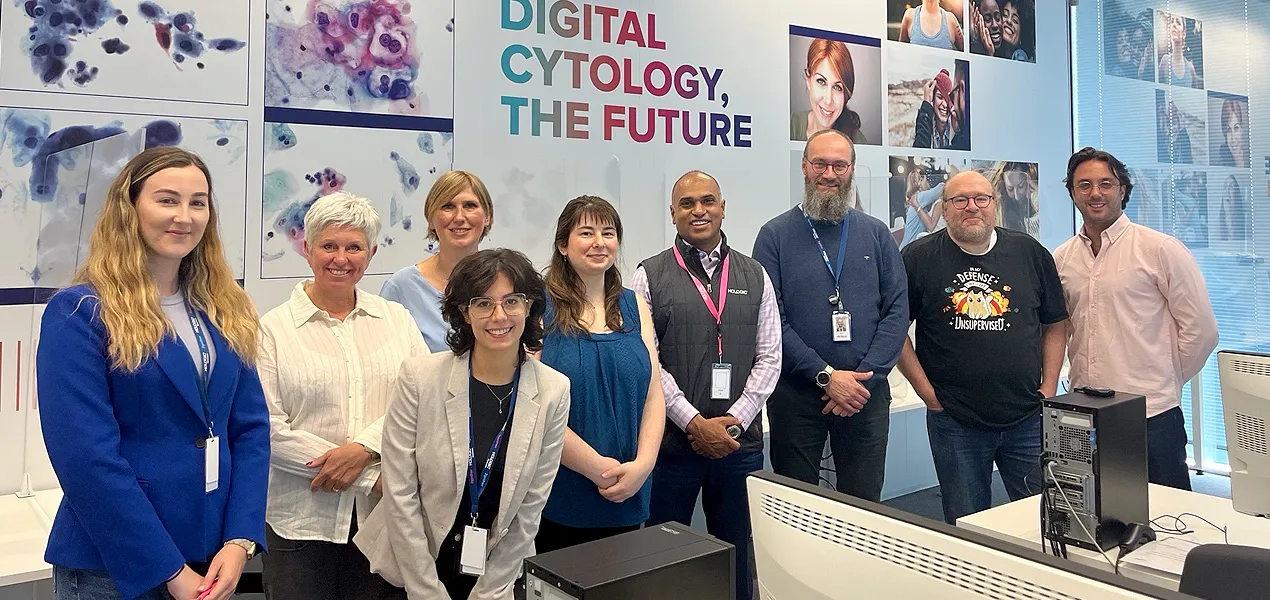
Malik Khan (4th from right) with members of Hologic's Diagnostics and EMEA teams.
In the medical device industry, quality was once primarily associated with inspection and compliance. Today, it is evolving into something far more strategic — a function that helps organizations anticipate risk, improve performance and ultimately protect patients.
For Malik Khan, Corporate Vice President of Quality at Hologic, that shift reflects a broader change in how companies must think about quality across the entire product lifecycle.
He believes quality cannot be treated as a final checkpoint before products reach the market. Instead, it must be embedded across the organization, shaping decisions from early design through manufacturing and real‑world use.
Connecting quality to patient impact
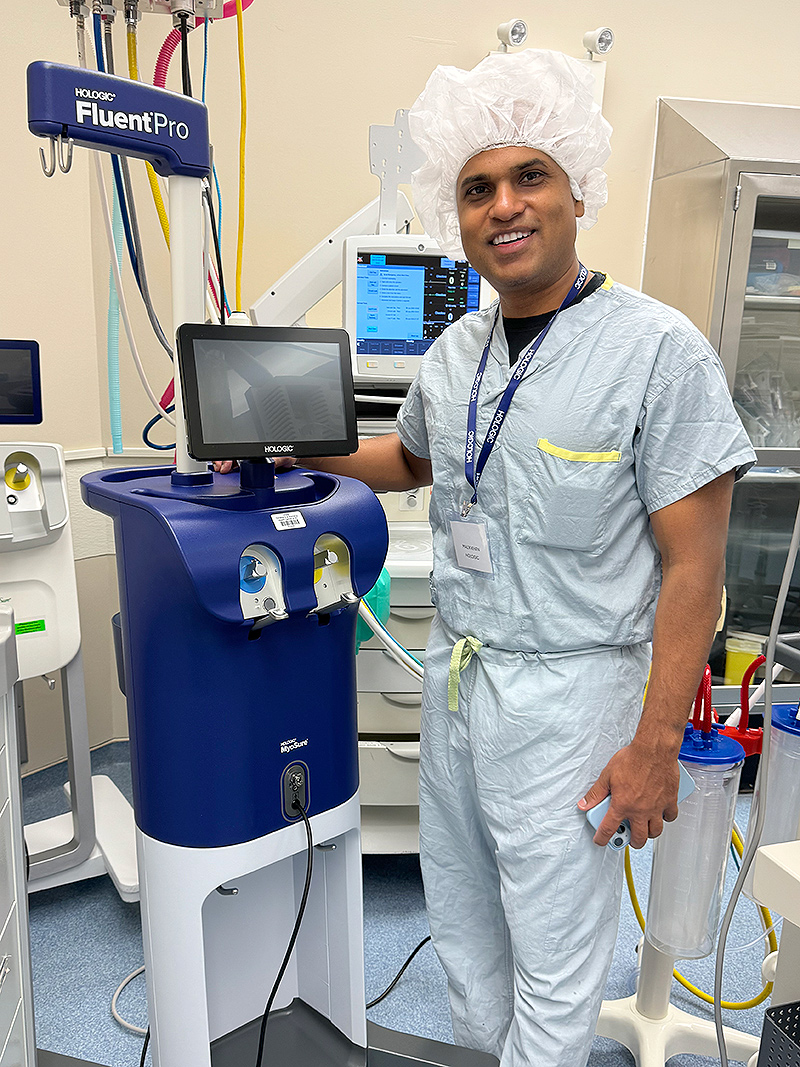
Khan began his career as a mechanical engineer in the energy space before transitioning to healthcare. “My love of problem solving drew me to engineering but going into medtech and seeing how central the quality function is to everything we do and to patient safety — that’s when I found my calling,” Khan said.
For him, the importance of developing quality products becomes clearest in the clinical setting. He encourages teams to spend time in hospitals and clinics observing how Hologic’s technologies — from diagnostic tests to surgical solutions that treat abnormal uterine bleeding and fibroids — are used in patient care.
That patient connection, he says, should shape how teams approach quality across the organization.
“Healthcare providers are counting on us to deliver high quality, safe and reliable products they can trust,” Khan said. “They depend on those products to help them provide the best possible care for women everywhere, every day.”
Building a culture of ownership
Strong quality control systems, workflows and processes — including a robust quality management system (QMS) — are essential for delivering quality. But Khan believes that a strong quality-focused culture ultimately determines whether those systems succeed.
“I had a boss who used to say, ‘People drive processes, processes drive results,’” recalls Khan. That mindset influences how he builds teams and how quality leaders collaborate across the business. Ownership, transparency and mindset focused on continuous improvement are key behaviors he looks for in individuals and teams.
Equally important is creating an environment where employees feel comfortable raising concerns early, according to Khan, and taking the time to put permanent and systemic changes in place that prevent them from recurring.
“During my career, I’ve found that teams sometimes see speed as a barrier to quality,” says Khan. “I believe we can deliver high quality in a fast and innovative environment — but we need robust risk-based processes in place and the discipline to follow them. Sometimes these processes may feel like they slow us down at first, but speaking from experience, in the long term they deliver faster results with sustainability.”
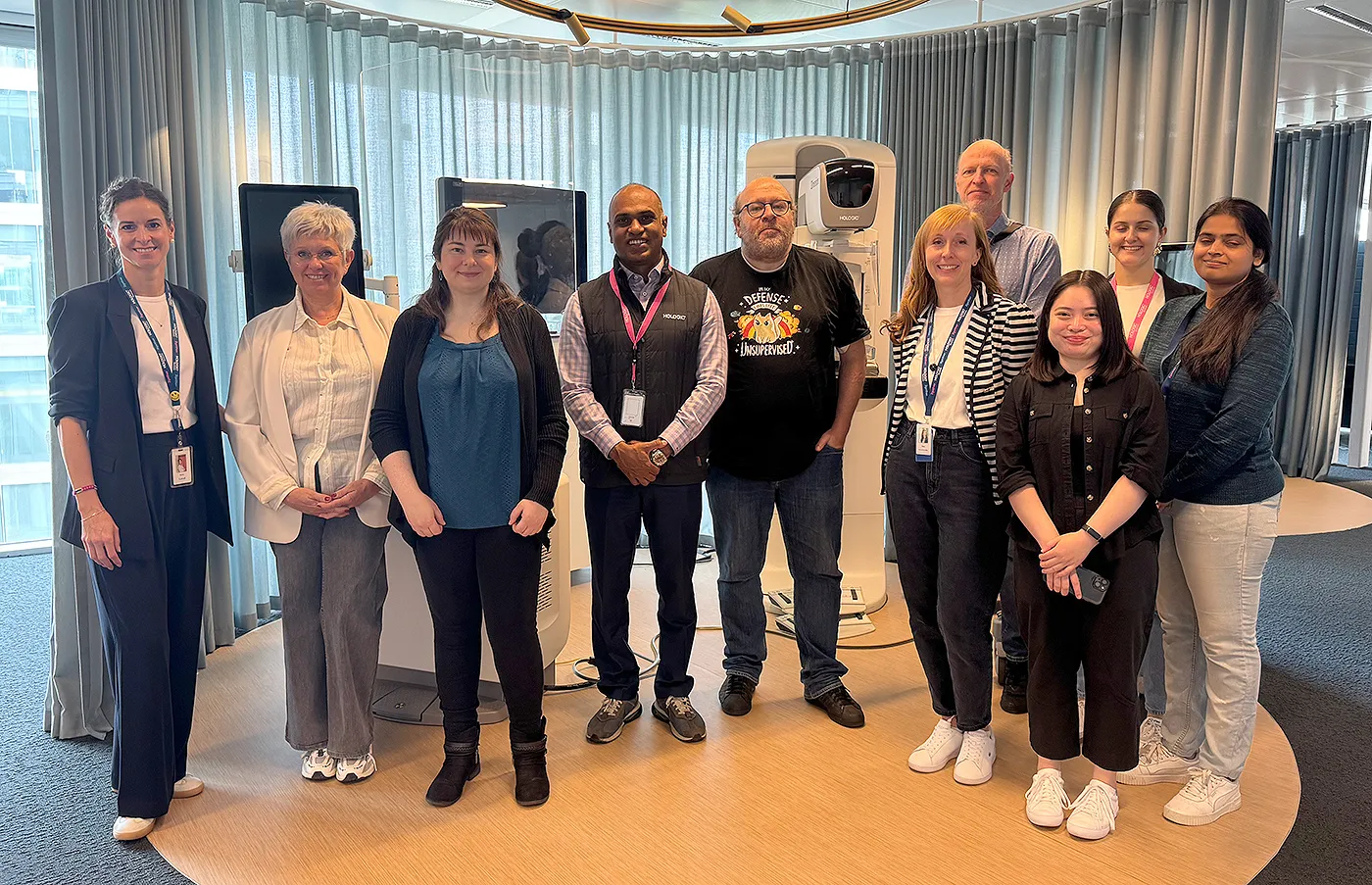
Khan with EMEA team members at the Zaventem Customer Experience Center in Belgium.
The future of quality: From detection to prevention
As healthcare technology becomes more connected and data‑driven, Khan expects the role of quality to continue evolving across the medical device industry.
Historically, quality systems often focused on identifying issues after they occurred. Increasingly, organizations are looking for ways to detect signals earlier and prevent problems before they affect customers or patients.
“To deliver effective quality in our products and processes, we must track data from as many sources as possible,” Khan said.
That includes insights from clinical use, connected devices in the field and manufacturing operations. When these data streams are brought together, they can reveal patterns that help organizations identify risks earlier.
“AI‑enabled analytics systems can create a highway of information,” Khan said. “They allow us to merge insights from across the product lifecycle and identify trends earlier.”
The result is a shift toward proactive quality management, one that enables companies to address emerging issues before they become larger problems.
Navigating new challenges in medtech
At the same time, new technologies are introducing new challenges for quality leaders across the industry, Malik shares.
The responsible use of artificial intelligence in medical devices, interoperability between devices and cybersecurity are all becoming increasingly important considerations. Advancements like automation in quality management systems are making processes more streamlined and helping to reduce human error, but training and ensuring employees are comfortable using the technology are paramount.
“These are areas that companies across the industry are investing heavily in,” Khan said. “Success in navigating them will truly differentiate the companies of the future.”
Even as technology evolves and regulatory requirements grow more complex, Khan believes the core principle guiding quality standards should remain clear.
“We must always keep our most important goal front and center: patient safety and product quality.”
Because ultimately, he says, quality is not just about systems or standards. It is about ensuring that every product performs as intended — and that every patient receives safe, reliable care.
The content in this piece is for informational purposes only and is not intended to be medical advice. Please contact your medical professional for specific advice regarding your health and treatment. This information is not intended as a product solicitation or promotion where such activities are prohibited. Because Hologic materials are distributed through websites, eBroadcasts and tradeshows, it is not always possible to control where such materials appear. For specific information on what products may be available in a particular country, please write to womenshealth@hologic.com.